
Common Yorkshire Terrier Health Problems Every Owner Should Know
Introduction: Why Yorkie Health Awareness Matters
Yorkshire Terriers are small, lively, affectionate dogs with big personalities. They are loved for their silky coats, loyal nature, and confident little attitude. But like all dog breeds, Yorkies can be prone to certain health problems that owners should understand.
Knowing about common Yorkshire Terrier health problems does not mean you should worry constantly. It simply helps you become a better, more prepared owner. When you know what to watch for, you can notice changes early, ask your veterinarian the right questions, and support your Yorkie’s long-term wellness.
This guide covers common Yorkie health concerns, including dental disease, luxating patella, tracheal collapse, hypoglycemia, allergies, eye issues, weight problems, and senior Yorkie care. It is not a replacement for veterinary advice. If your Yorkie seems sick, painful, weak, or suddenly different, contact your veterinarian.
1. Dental Disease in Yorkies
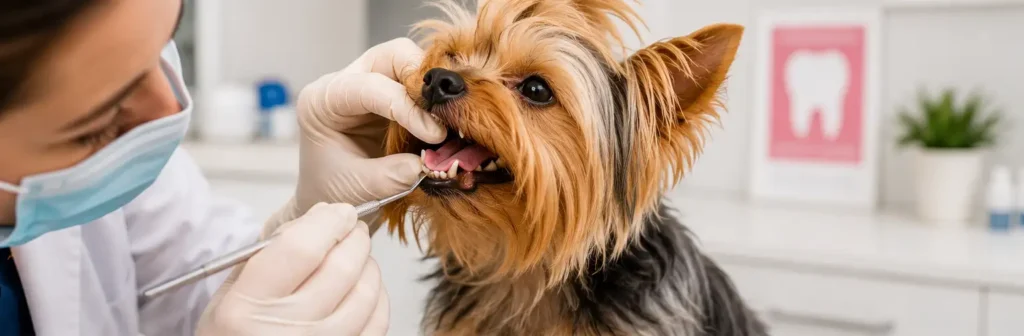
Dental disease is one of the most common health concerns in small dogs, including Yorkshire Terriers. Because Yorkies have tiny mouths, their teeth can become crowded. Crowding makes it easier for plaque and tartar to build up, which can lead to bad breath, gum inflammation, pain, infection, and tooth loss.
Signs of dental problems may include bad breath, yellow or brown tartar, red gums, drooling, pawing at the mouth, chewing on one side, refusing hard food, or acting sensitive around the face. Small dog breeds, including Yorkshire Terriers, are known to be prone to dental issues because of crowded teeth and breed-related risk factors.
The best way to protect your Yorkie’s teeth is to build a regular dental routine. Brush your Yorkie’s teeth with dog-safe toothpaste, offer vet-approved dental chews when appropriate, and schedule professional dental cleanings when your veterinarian recommends them.
I use a small dog electric toothbrush and Virbac C.E.T.® Enzymatic Toothpast. The electric toothbrush can make it easier to start a simple Yorkie dental care routine at home. It is especially important because of their tiny mouths and teeth to make sure you clean them regularly, the bills later can be costly.
2. Luxating Patella in Yorkshire Terriers
A luxating patella means the kneecap slips out of its normal position. This condition is common in toy and small-breed dogs, and Yorkies can be affected. Some dogs show only mild signs, while others may have pain, stiffness, or trouble walking.
One classic sign is a skipping or hopping step, where the dog briefly lifts a back leg and then begins walking normally again. Merck Veterinary Manual notes that patellar luxation can cause signs ranging from mild or absent symptoms to lameness and an intermittent skipping gait.
If your Yorkie is limping, skipping, avoiding stairs, refusing to jump, or showing signs of pain, schedule a vet visit. Mild cases may be managed with monitoring, weight control, and activity adjustments, while more serious cases may need additional treatment.
Because Yorkies are small, keeping them at a healthy weight is especially important. Extra weight puts more pressure on the knees and joints. Pet stairs or ramps may also help reduce jumping from beds and couches.
3. Tracheal Collapse and Coughing
Tracheal collapse is another health concern seen in toy and miniature breeds, including Yorkshire Terriers. The trachea is the windpipe, and when it weakens or narrows, it can cause coughing and breathing problems.
A common sign of tracheal collapse is a dry, honking cough. It may happen when a dog gets excited, pulls on a leash, drinks water, or exercises. VCA notes that tracheal collapse often affects breeds such as Yorkshire Terriers, Chihuahuas, Pomeranians, Shih Tzus, Lhasa Apsos, and Toy Poodles.
If your Yorkie coughs often, has noisy breathing, tires easily, or seems to struggle for air, contact your veterinarian. Breathing issues should never be ignored. Merck Veterinary Manual describes tracheal collapse as most common in toy and miniature breeds and notes signs such as a dry honking chronic cough and labored breathing.
To reduce pressure on your Yorkie’s neck, use a harness instead of attaching a leash to a collar. A soft small-dog harness for Yorkies can be a helpful everyday walking accessory, I have the Curli Vest Harness for all mine.
4. Hypoglycemia in Yorkie Puppies
Hypoglycemia means low blood sugar. It can be a serious concern in very small Yorkie puppies because their tiny bodies have limited energy reserves. Missing meals, stress, too much activity, illness, or not eating enough can contribute to blood sugar drops.
Possible signs of hypoglycemia include weakness, sleepiness, shaking, wobbling, confusion, pale gums, seizures, or collapse. VCA notes that Yorkie puppies can be prone to hypoglycemia and advises asking breeders about breed-related health concerns.
If your Yorkie puppy seems weak, shaky, unusually sleepy, or unresponsive, seek veterinary help immediately. This can become an emergency quickly. To help reduce risk, feed puppies small, frequent meals and follow your veterinarian’s feeding guidance.
5. Allergies and Skin Problems
Yorkies can experience allergies and skin irritation. Some dogs react to environmental allergens such as pollen, dust, mold, or grass. Others may have food sensitivities or flea allergy dermatitis. Skin issues can be frustrating because they often show up as itching, licking, scratching, redness, flakes, bumps, or recurring ear problems.
If your Yorkie scratches constantly, licks their paws, has red skin, develops hot spots, or gets repeated ear irritation, talk to your veterinarian. Skin problems can have many causes, including parasites, allergies, infection, grooming products, or diet. A proper diagnosis is better than guessing.
For routine coat comfort, gentle grooming can help. Use dog-safe shampoo, rinse thoroughly, and avoid heavily scented products that may irritate sensitive skin. A gentle dog shampoo for sensitive skin may be helpful for some Yorkies, but persistent itching should be checked by a vet.
6. Eye Issues and Tear Staining
Yorkies can have tear staining, eye irritation, or hair that rubs near the eyes. Tear staining is common in many small dogs, but excessive tearing, redness, squinting, cloudiness, pawing at the eye, or thick discharge should be taken seriously.
Keep the hair around your Yorkie’s eyes neat and clean. Use a soft damp cloth or vet-approved eye wipes to gently remove buildup. Do not use harsh products near the eyes, and never ignore signs of discomfort.
If your Yorkie’s eyes look red, cloudy, swollen, painful, or suddenly different, contact your veterinarian. Eye problems can become serious quickly, and early treatment can help protect your dog’s vision and comfort.
7. Digestive Sensitivity and Picky Eating
Some Yorkies have sensitive stomachs or picky eating habits. Occasional mild stomach upset can happen, but repeated vomiting, diarrhea, weight loss, loss of appetite, or bloody stool should be evaluated by a veterinarian.
To support digestion, feed a high-quality small-breed diet, avoid sudden food changes, and limit table scraps. When switching foods, transition gradually over several days. If your Yorkie refuses food suddenly, do not assume they are just being picky, especially if they also seem tired or uncomfortable.
8. Weight Problems in Small Dogs
Because Yorkies are tiny, even a small amount of extra weight can matter. Extra pounds can stress the knees, joints, heart, and breathing. Weight management is especially important for dogs with luxating patella or breathing concerns.
Measure your Yorkie’s meals, keep treats small, and avoid too many high-calorie snacks. A healthy Yorkie should have a visible waist when viewed from above, and you should be able to feel the ribs without pressing hard.
If you are unsure whether your Yorkie is overweight, ask your veterinarian to assess body condition and recommend a safe feeding plan.
9. Liver Shunts and Other Breed Concerns
Yorkshire Terriers may also be prone to certain breed-related conditions that require veterinary diagnosis. VCA lists portosystemic shunts, kidney failure, canine hypothyroidism, luxating patellas, collapsing trachea, and puppy hypoglycemia among health concerns to ask breeders about.
A portosystemic shunt is a liver-related condition that can affect how the body processes toxins. Signs may include poor growth, vomiting, disorientation, weakness, unusual behavior after eating, or seizures. If you notice concerning symptoms, schedule a vet visit promptly.
Responsible breeding, early vet care, and regular wellness exams can help detect problems earlier. If you are getting a Yorkie puppy, ask the breeder about health screening and known health issues in the puppy’s family line.

10. When to Call the Vet
Yorkies are small, so health changes can become serious quickly. It is always better to ask your veterinarian if you are unsure. Call your vet if your Yorkie has sudden weakness, trouble breathing, repeated vomiting, diarrhea, collapse, seizures, severe coughing, pain, refusal to eat, difficulty walking, or a sudden behavior change.
You should also schedule routine wellness exams even when your Yorkie seems healthy. Regular checkups help monitor teeth, weight, heart, joints, skin, eyes, and overall condition.
Simple Yorkie Health Checklist
- Brush your Yorkie’s teeth regularly.
- Use a harness instead of a neck collar for walks.
- Keep your Yorkie at a healthy weight.
- Watch for coughing, limping, skipping, or breathing changes.
- Feed Yorkie puppies small, frequent meals.
- Clean around the eyes gently.
- Use dog-safe grooming products.
- Schedule regular veterinary checkups.
- Ask your vet about breed-specific concerns.
- Do not ignore sudden changes in appetite, energy, or behavior.
Conclusion: Early Care Helps Yorkies Live Better
Common Yorkshire Terrier health problems can sound scary, but awareness is powerful. When you understand the signs of dental disease, luxating patella, tracheal collapse, hypoglycemia, allergies, and other concerns, you can take better care of your Yorkie and seek help sooner when something seems wrong.
The best approach is prevention and early action. Keep up with dental care, feed balanced meals, use a harness, maintain a healthy weight, groom gently, and schedule regular vet visits. Your Yorkie depends on you to notice the little changes that may matter.
With consistent care, attention, and a strong relationship with your veterinarian, your Yorkshire Terrier can enjoy a happy, comfortable, and love-filled life.
Affiliate Disclosure: This article may contain affiliate links. If you purchase through these links, YorkieLove.com may earn a small commission at no extra cost to you. We only recommend products that may be helpful for Yorkshire Terrier owners.