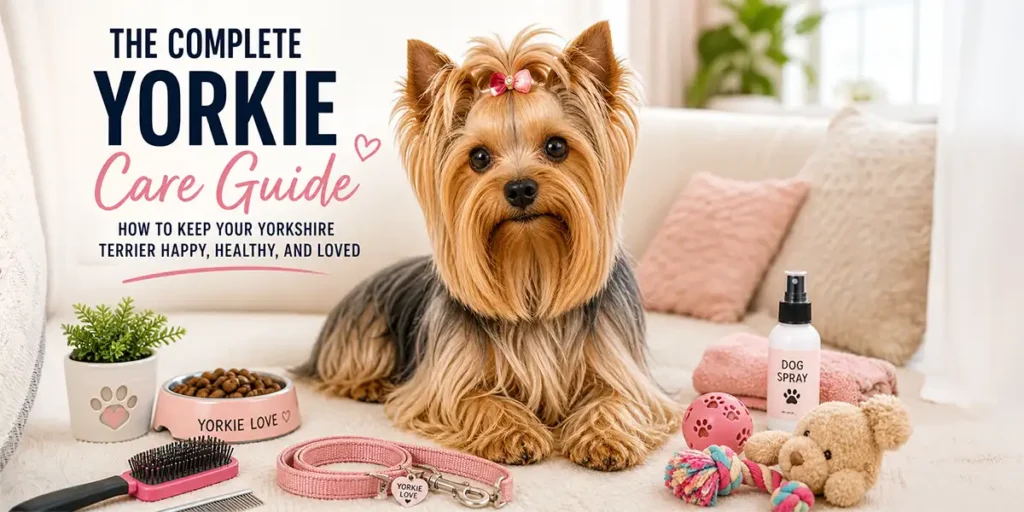
How to Keep Your Yorkshire Terrier Happy, Healthy, and Loved
Introduction: Why Yorkies Need Special Care
Yorkshire Terriers, lovingly known as Yorkies, may be small in size, but they have huge personalities. These little dogs are confident, affectionate, alert, and full of energy. They are often described as bold, loyal companions who love being close to their people. But because Yorkies are tiny, delicate, intelligent, and famous for their long silky coats, they also need a specific type of care.
A Yorkie is not a “low-maintenance” dog simply because they are small. In fact, caring for a Yorkshire Terrier involves regular grooming, proper feeding, dental care, training, socialization, safe exercise, and plenty of attention. The good news is that once you understand what your Yorkie needs, daily care becomes a natural and enjoyable routine.
This complete Yorkie care guide will walk you through the most important things every Yorkshire Terrier owner should know. Whether you have a new Yorkie puppy, an adult Yorkie, or a senior Yorkshire Terrier, these tips will help you keep your little companion healthy, happy, clean, and deeply loved.
1. Understanding the Yorkshire Terrier Personality
Yorkies are small dogs with a brave terrier spirit. They are curious, alert, and often act much larger than they really are. Many Yorkies love to follow their owners from room to room, sit on laps, explore the home, and announce visitors with a confident bark.
Because they are intelligent and people-focused, Yorkies usually respond well to positive training. They enjoy praise, treats, attention, and routine. However, they can also become stubborn if they are spoiled, under-trained, or allowed to make all the rules. A well-cared-for Yorkie needs love, but also structure.
Yorkies thrive when they feel secure. They do best in homes where they receive daily attention, gentle handling, consistent training, and a predictable routine. They can be wonderful companions for singles, couples, seniors, and families with older children who understand how to handle a small dog carefully.
2. Feeding Your Yorkie the Right Way
Feeding is one of the most important parts of Yorkshire Terrier care. Because Yorkies are tiny dogs, they do not need large portions, but they do need high-quality nutrition. A small amount of poor food can quickly affect their weight, digestion, coat condition, and overall health.
Choose a high-quality dog food designed for small breeds or toy breeds. Small-breed formulas usually have smaller kibble pieces, which are easier for Yorkies to chew. Look for food that includes quality protein, healthy fats, vitamins, minerals, and digestible ingredients.
Adult Yorkies often do well with two to three small meals per day. Yorkie puppies usually need more frequent meals because their tiny bodies use energy quickly. Very small puppies can be more vulnerable to low blood sugar, so regular feeding is especially important during puppyhood.
Avoid feeding your Yorkie too many table scraps. Foods that are greasy, salty, sugary, or heavily seasoned can upset their stomach and contribute to weight gain. Some human foods are also dangerous for dogs, including chocolate, grapes, raisins, onions, garlic, alcohol, and anything containing xylitol.
Because Yorkies are small, even a little extra weight can put stress on their joints and body. Measure meals carefully, limit treats, and ask your veterinarian if you are unsure about your Yorkie’s ideal weight or portion size.
3. Grooming: The Key to a Healthy Yorkie Coat
One of the most recognizable features of the Yorkshire Terrier is the beautiful silky coat. Yorkie hair is fine and can grow long, which means it can also tangle easily. Regular grooming is not just about appearance. It helps prevent mats, skin irritation, dirt buildup, and discomfort.
If your Yorkie has a long coat, daily brushing is usually best. Use a gentle pin brush, slicker brush, or comb made for small dogs with fine hair. Always brush carefully and avoid pulling harshly on tangles. A detangling spray can help make brushing easier and more comfortable.
Many Yorkie owners choose a shorter “puppy cut” because it is easier to maintain. A short haircut can still look adorable while reducing tangles and daily grooming time. Whether your Yorkie has a long show-style coat or a short practical trim, regular brushing remains important.
Bathing should be done as needed, usually every few weeks depending on your dog’s coat, activity level, and skin condition. Use a gentle dog shampoo, never human shampoo, because a dog’s skin has different needs. Rinse thoroughly to avoid leftover shampoo irritating the skin.
Do not forget the face. Yorkies can get tear staining or buildup around the eyes. Gently wipe the area with a soft damp cloth or a vet-approved eye wipe. Keep hair around the eyes trimmed or tied back so it does not poke or irritate them.
4. Dental Care Is Essential for Yorkies
Dental care is one of the most important Yorkie health habits. Small dogs, including Yorkshire Terriers, can be prone to dental problems because their mouths are tiny and teeth can become crowded. Plaque and tartar buildup may lead to bad breath, gum disease, pain, and tooth loss.
The best habit is to brush your Yorkie’s teeth regularly with a dog-safe toothbrush and dog toothpaste. Never use human toothpaste because it can contain ingredients that are unsafe for dogs. Start slowly by letting your Yorkie taste the toothpaste, then gently introduce brushing in short sessions.
Dental chews, water additives, and vet-approved dental products may also help, but they should not fully replace brushing. Your veterinarian can check your Yorkie’s mouth during regular wellness visits and recommend professional cleanings when needed.
5. Exercise Needs for a Yorkshire Terrier
Yorkies may be small, but they still need daily movement. Exercise helps maintain a healthy weight, supports good behavior, reduces boredom, and gives your Yorkie a chance to explore the world.
A few short walks each day, indoor playtime, and gentle games are often enough for many Yorkies. Because of their small size, they do not need long intense exercise sessions like larger working breeds, but they do need consistency.
Be careful in extreme weather. Yorkies can get cold easily, especially if their coat is trimmed short. In cool or wet weather, a lightweight sweater or jacket may help keep them comfortable. In hot weather, avoid walking on hot pavement and watch for signs of overheating.
Yorkies also enjoy mental exercise. Puzzle toys, training games, treat searches, and learning new commands can help keep their clever minds active.
6. Training Your Yorkie with Patience and Positivity
Training is a major part of caring for a Yorkshire Terrier. Yorkies are smart, but they can also be independent. The best approach is positive reinforcement, which means rewarding good behavior with praise, treats, toys, or affection.
Start with basic commands such as sit, stay, come, leave it, and down. Keep training sessions short and fun. A few minutes at a time is often better than a long session, especially for puppies.
Potty training can take patience. Because Yorkies are small, they have small bladders and may need frequent bathroom breaks. Take your Yorkie out after waking, after meals, after playtime, and before bedtime. Use the same potty area when possible and reward success immediately.
Do not punish accidents harshly. Instead, clean the area well with an enzymatic cleaner and focus on improving the routine. Consistency is the secret to successful Yorkie potty training.
7. Socialization Helps Build Confidence
Yorkies are alert little dogs, and without proper socialization, they may become nervous, reactive, or overly protective. Socialization means helping your Yorkie experience different people, places, sounds, and situations in a safe and positive way.
Introduce your Yorkie to friendly people, calm dogs, car rides, grooming tools, household noises, and outdoor environments gradually. Keep experiences positive and never force your dog into something overwhelming.
A well-socialized Yorkie is usually more relaxed, adaptable, and easier to manage. This is especially helpful for grooming appointments, vet visits, walks, travel, and meeting guests at home.
8. Keeping Your Yorkie Safe at Home
Because Yorkies are tiny, home safety matters. A jump from a sofa or bed can be risky for a small dog. Consider using pet stairs or ramps if your Yorkie likes to climb onto furniture. Always supervise young children around a Yorkie and teach gentle handling.
Keep small objects, medications, cleaning products, electrical cords, and toxic foods out of reach. Yorkies are curious and may chew or swallow things they should not.
Use a harness rather than attaching a leash directly to a collar for walks. A harness can help reduce pressure on the neck and gives you better control of your small dog. Make sure the harness fits securely so your Yorkie cannot slip out.
Your Yorkie should also have a comfortable bed, fresh water, safe toys, and a quiet place to rest. Even energetic Yorkies need downtime.
9. Routine Vet Care and Health Checks
Regular veterinary care is essential for every Yorkshire Terrier. Your vet can help with vaccinations, parasite prevention, dental checks, weight management, nutrition advice, and early detection of health issues.
Pay attention to changes in appetite, energy, breathing, walking, bathroom habits, skin, coat, eyes, or behavior. Small changes can matter, especially in a tiny dog. If your Yorkie seems weak, stops eating, has trouble breathing, vomits repeatedly, has diarrhea, or appears painful, contact your veterinarian.
Senior Yorkies may need more frequent checkups. As dogs age, they may develop dental problems, joint stiffness, vision changes, or other health concerns. Early care can help your Yorkie stay comfortable for as long as possible.
10. Daily Love and Emotional Care
Yorkies are companion dogs that often bond deeply with their owners. They love attention, affection, and being included in daily life. Emotional care is just as important as grooming and feeding.
Spend quality time with your Yorkie every day. This can include walks, play, brushing, training, cuddling, or simply relaxing together. A Yorkie that feels loved and secure is often happier and better behaved.
At the same time, help your Yorkie learn independence. Practice short periods of alone time, provide safe toys, and create a calm routine when leaving and returning home. This can help reduce clingy behavior and stress.
Simple Daily Yorkie Care Checklist
- Feed measured, high-quality small-breed meals.
- Provide fresh water every day.
- Take your Yorkie out for potty breaks and short walks.
- Brush the coat, especially if it is long.
- Check eyes and gently clean any buildup.
- Brush teeth or work toward a regular dental routine.
- Offer playtime and mental stimulation.
- Use positive training and reward good behavior.
- Give your Yorkie a safe, cozy place to rest.
- Watch for changes in health, appetite, or behavior.
Conclusion: A Happy Yorkie Starts with Consistent Care
Caring for a Yorkshire Terrier is a beautiful responsibility. Yorkies may be small, but they need thoughtful daily care to look and feel their best. With proper feeding, regular grooming, dental care, training, exercise, safety, and love, your Yorkie can become a confident, healthy, and joyful companion.
The key is consistency. Small daily habits make a big difference over time. Brush the coat, feed balanced meals, protect those tiny paws, keep up with vet care, and give your Yorkie the attention they crave. When you care for a Yorkie well, they will reward you with loyalty, personality, affection, and endless love.
Whether you are bringing home your first Yorkshire Terrier or looking to improve your current care routine, this Yorkie care guide is a strong place to start. Your little dog depends on you, and with the right care, your Yorkie can live a happy, comfortable, and love-filled life.